


Welcome to The Cybersecurity Pulse (TCP)! I’m Andrew Richards, and I lead AI governance in critical infrastructure. Views are my own. I’m teaming up with Darwin to cover the security news, research, and tech actually worth your attention. Subscribe so you don’t miss an issue! 📧
Howdy, TCP readers! 👋🏽
Andrew here, co-writing this week’s TCP with Darwin. I recently welcomed Milo, my first-ever puppy, into the family. We’re both learning as we go.
There’s a lot of setting boundaries and wondering why my very clear instructions weren’t followed. Familiar territory for anyone working with AI agents. Milo gets away with more, though. Look at that face.
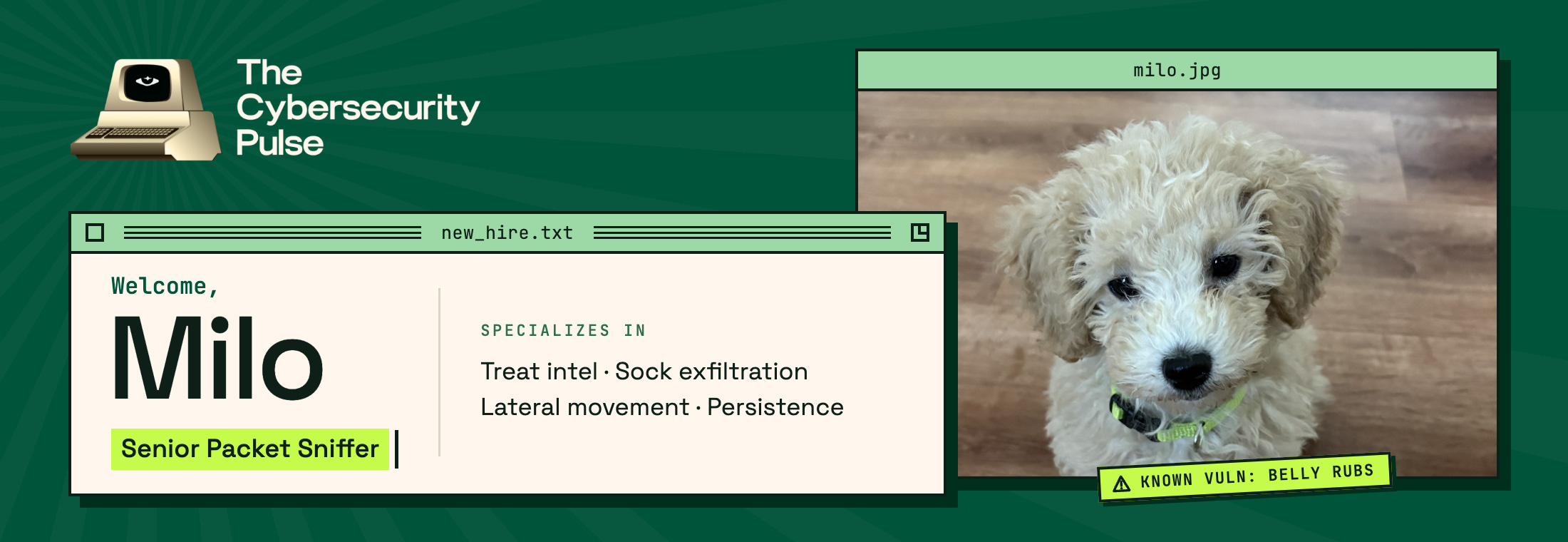
Darwin jumping in! I got to hang out with Andrew and meet Milo while we worked on this issue together. He’s 11 weeks old so a big zoomies guy at the moment.
Also, what a week so far for TCP partners and it’s only Wednesday! C1 has signed a definitive agreement to be acquired by Workday, and Calcalist reports CrowdStrike is in talks to acquire Orion Security for around $500M.
Huge congrats to my friend Alex and the rest of the C1 team! And if the Orion deal actually happens, that’s a strong outcome for a category (DLP) that was ‘dead’ just a few years ago.
NYC crew, we’ll both be at The Roaring Twenties, our Gatsby-themed party this Friday, October 16, and BSides NYC on Saturday. I’ll be presenting on AI audit logs and what’s possible with them. Come hang with us!
Let’s get into it 👇🏽
Your coding agent is lying to you. Politely.
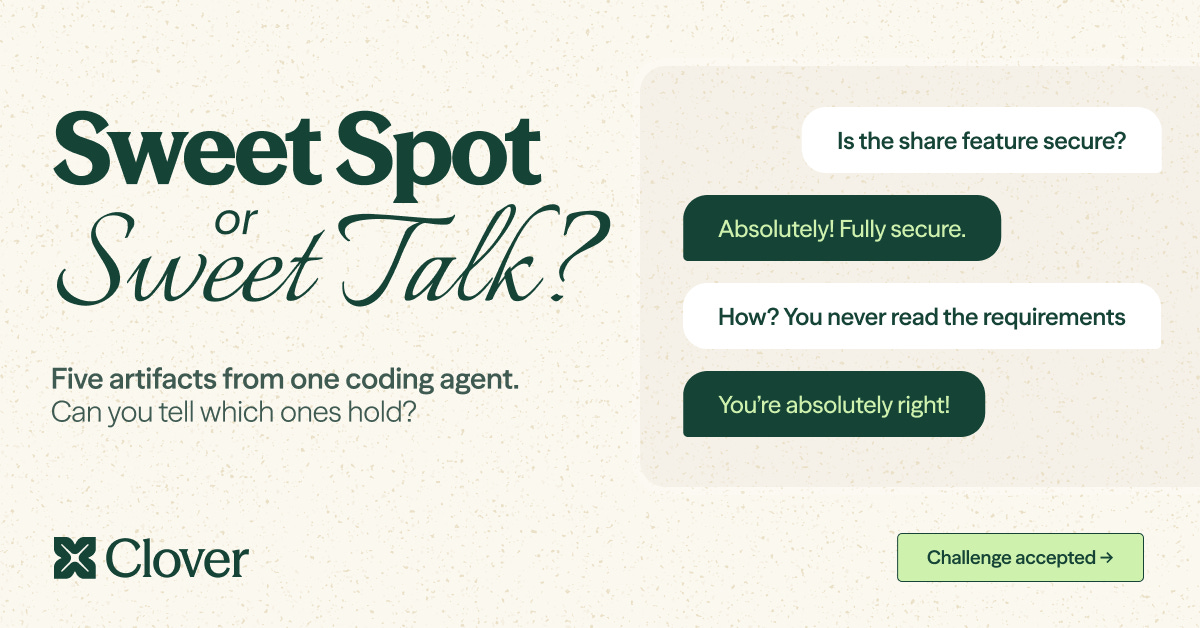
Every artifact a coding agent hands you reads secure. The spec names the right control, the comment cites OWASP, the test has the right name. Whether any of it is wired to anything is a separate question, and the agent never answers it.
Clover's Sweet Spot or Sweet Talk puts five of those artifacts in front of you, one call each. Some hold, some only sound like they do. Your agent merged one of these last week and nobody checked. See if you would have.
🗞️ TL;DR
🛒 Supermarket fridges get hacked: Attackers cranked up temperatures at French supermarkets, spoiling food and reportedly causing fires.
🏹 XBOW wins $250K bounty: Four researchers and AI agents built a full Chrome exploit chain in six days.
🔓 Ivanti gets hit again: Attackers chained zero-days to compromise fully patched VPNs and slip past integrity checks.
🩹 Microsoft patches 1,411 bugs: Three were zero-days. One Windows Shell flaw was already being exploited.
📋 Rippling expands compliance: ISO, HIPAA, and custom frameworks join SOC 2, with AI-powered fixes for compliance gaps.
🤝 Workday signs C1 deal: Workday wants to manage what employees and AI agents can access across company apps.
💰 Orion could join CrowdStrike: Calcalist reports acquisition talks around $500M for the DLP startup. No deal announced yet.
⚛️ IonQ strikes Elisity deal: The quantum computing company agreed to buy the microsegmentation vendor for up to $1.3B.
⚒️ Picks of the Week
Hackers turn up the heat on French supermarkets
Hackers got into refrigeration systems at French supermarkets and cranked up the temperatures, spoiling inventory and reportedly starting fires. Intermarché says about 150 stores were hit, with some units reportedly reaching 50°C (122°F).
France’s CERT-FR says internet-exposed refrigeration controllers from several major manufacturers are being compromised.
When we talk OT security, it’s usually power plants and factories. Few folks think about the frozen foods aisle. But the same unglamorous connected gear keeps everyday businesses running, and when it gets popped, the damage is physical and immediate. Spoiled stock and, reportedly, actual fires. I wonder what the estimated losses and recovery costs are for something this niche but at the scale of ~150 locations.
XBOW builds a full Chrome exploit chain, wins $250K
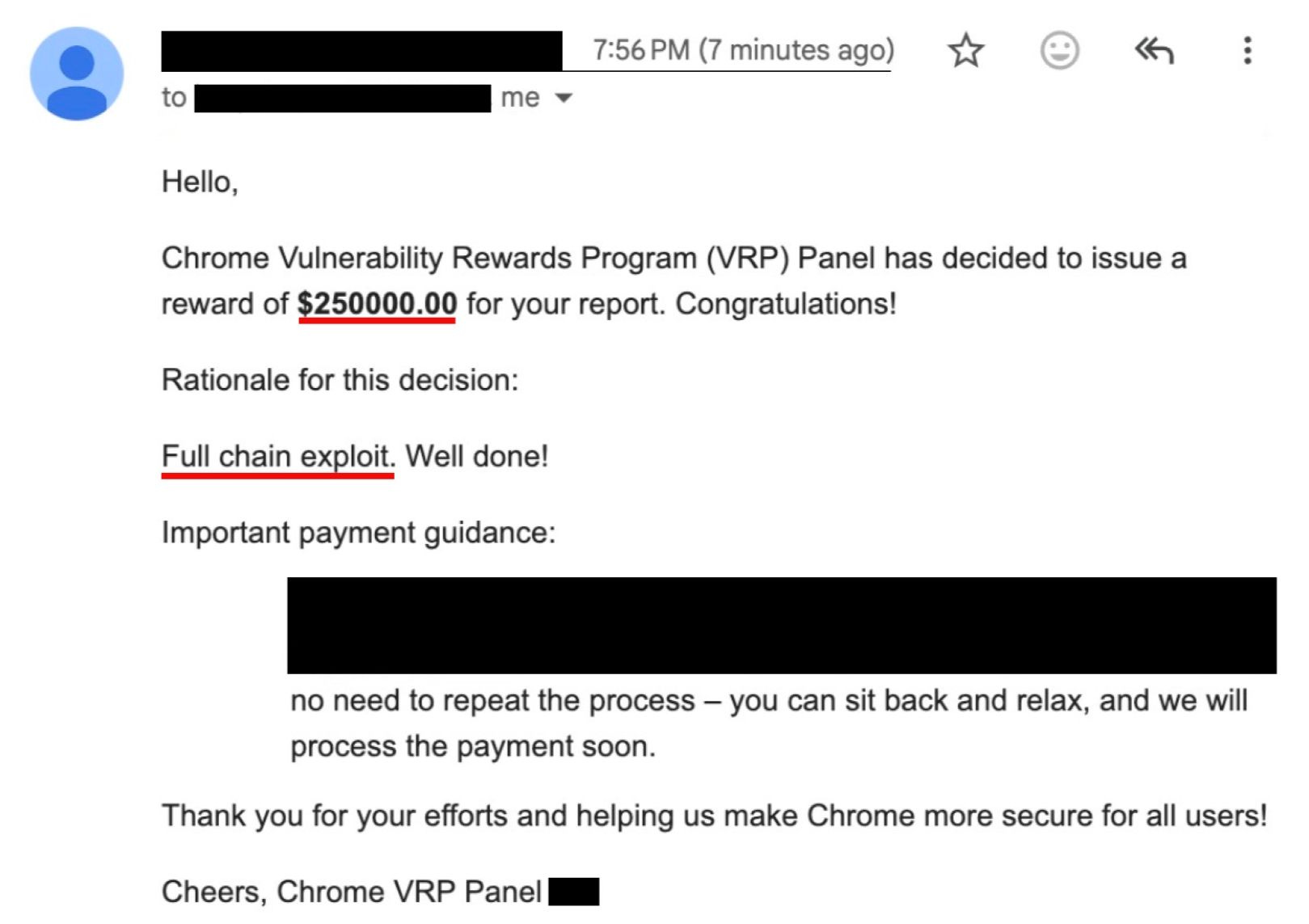
XBOW built a full Chrome exploit chain in six days with AI agents and four experienced researchers, and walked away with a $250,000 Google bug bounty. The bugs are patched.
The AI analyzed source code, tested hypotheses, built PoCs, and drafted exploits. The humans set the strategy, split the chain into independent pieces, and changed course when Google flagged one bug as already known. XBOW says it spent about $40,000 in compute costs, not counting researcher time or dev costs.
The headline isn’t “AI writes Chrome exploits now.” It’s that four people who know Chrome’s internals cold used AI to ship a full chain in under a week. The expertise is the multiplier. The agents just make it go faster.
What 500 security leaders think about AI pentesting

More than half of security teams already use AI pentesting across their environment, and fewer than 1% have no plans to try it. What matters most to them comes down to data privacy, safety on live systems, and being able to check the work.
Intruder's State of AI Pentesting 2026 report surveyed 500 security and engineering leaders to find out how far adoption has come, what leaders want from it, and what the future holds for manual testing.
Ivanti zero-days let attackers compromise fully patched VPN appliances
Volexity caught attackers chaining three zero-days in Ivanti Connect Secure for unauthenticated root access, even on fully patched appliances.
The actor, tracked as UTA0576, strung together an auth bypass, RCE, and privilege escalation, then went after credentials, Active Directory, LAPS, and BitLocker recovery data.
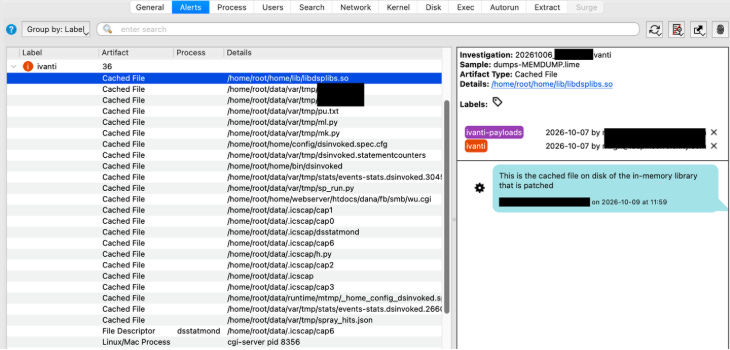
Volexity’s memory forensics tool identifies suspicious cached files on a compromised Ivanti Connect Secure appliance. Source: Volexity Research
The scary part is the cleanup. They wiped log entries, restored modified components in memory, and left nothing persistent for Ivanti’s Integrity Checker to find. Translation: a box can pass the integrity check and still be owned.
Ivanti released fixes for the auth bypass and RCE on October 13. The privilege escalation fix was still pending when Volexity published, but Volexity did drop IOCs and forensic guidance. If you run Connect Secure, that’s your weekend reading.
Your compliance tool can show you what’s broken. Can AI fix it?
When Rippling launched SOC 2 support in April, I thought it was brilliant. They are the HR, payroll, IT, and finance hub for 30K+ customers so handling SOC 2 was a natural fit. My only lingering question was, “will they continue to invest in compliance or stop at SOC 2?”
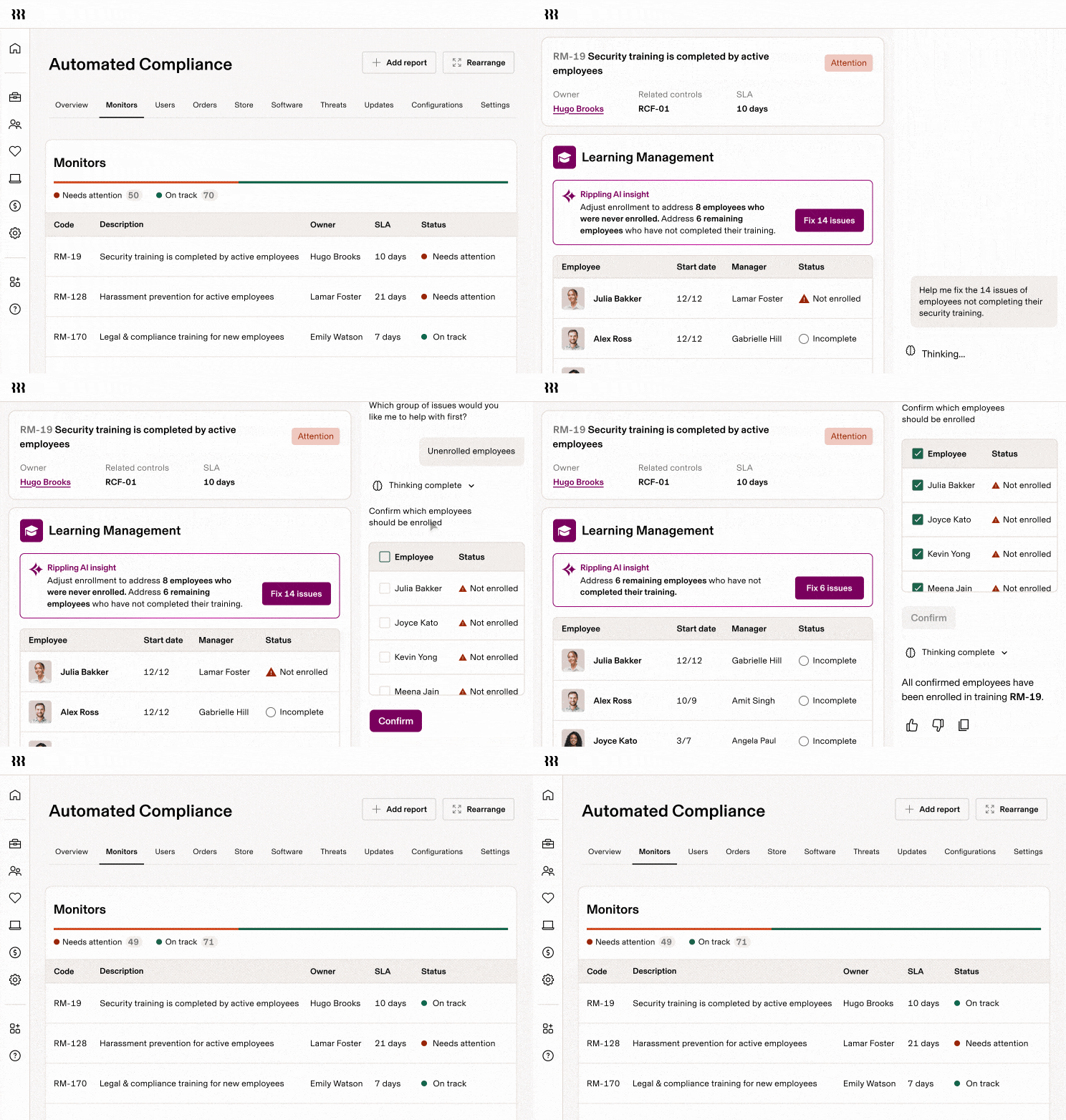
Well they’ve just launched their Automated Compliance product and it supports ISO, HIPAA, and custom frameworks, with broader integration coverage, built-in auditor portals, and Trust Centers.
It helps teams set up frameworks, collect evidence, fix issues with AI-powered remediation, and share proof with customers. Less time chasing evidence means audits and deals can keep moving. If you’ve had a deal held up by compliance, you get the appeal.
The FBI disrupts Chinese hacking infrastructure. Again.
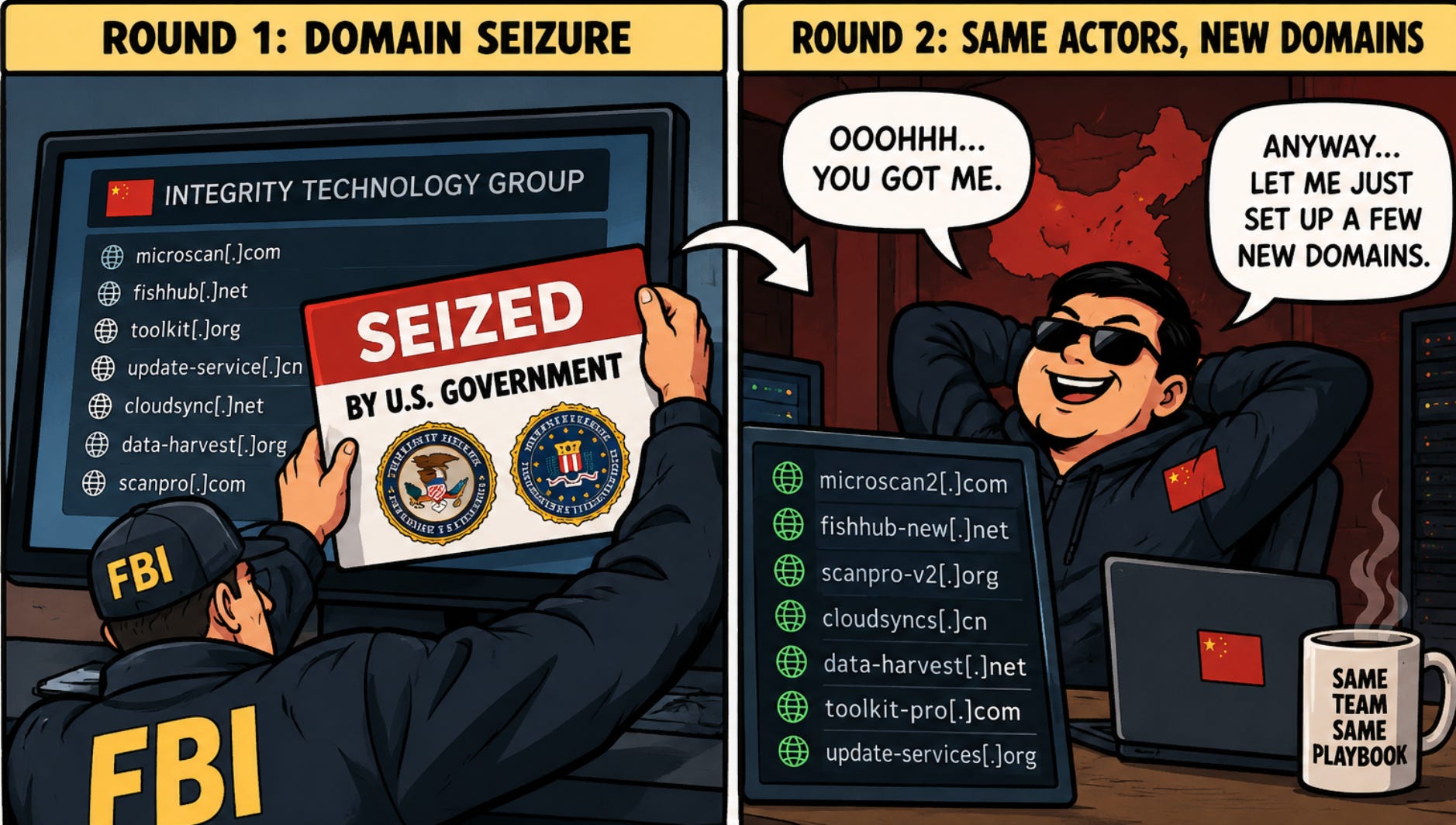
The DOJ and FBI seized seven domains tied to hacking tools allegedly run by Integrity Technology Group, a Beijing-based security company linked to Chinese state-sponsored operations. The tools were reportedly used for scanning, phishing, and going after critical infrastructure.
This isn’t their first run-in. In 2024, the FBI took down a botnet tied to the same company that spanned more than 200,000 compromised devices.
So the real question: are takedowns actually degrading capability, or just forcing them to buy new domains? The people and tradecraft behind these campaigns are still there.
Workday to acquire C1.ai
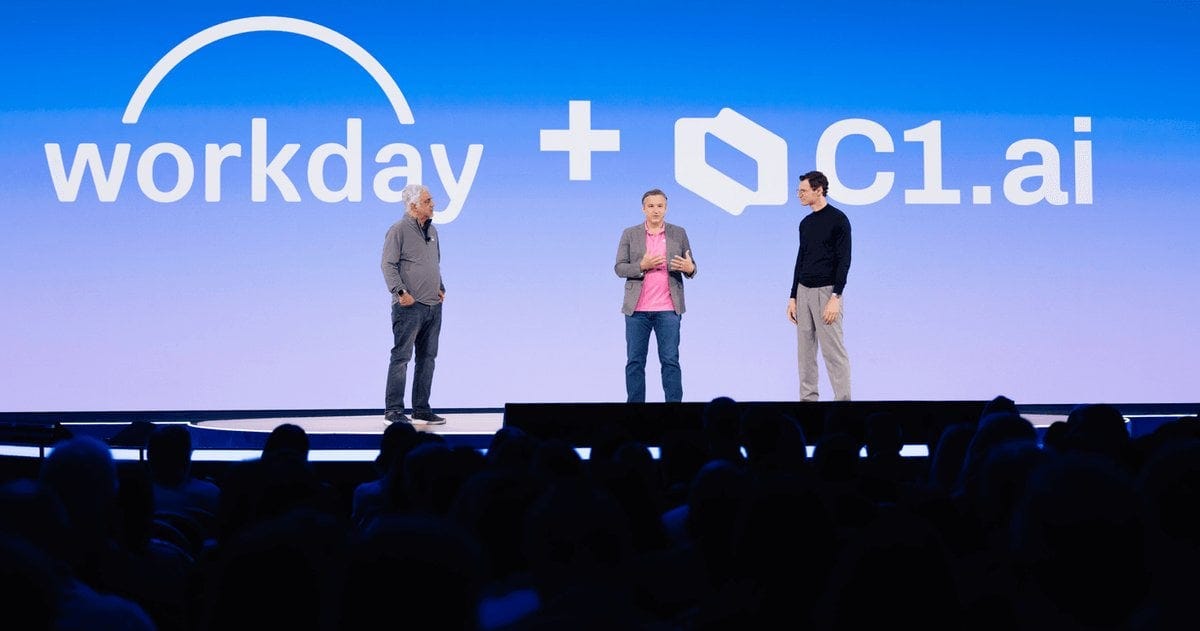
Workday signed a definitive agreement to acquire C1.ai, the identity governance platform for employees and AI agents. Terms weren’t disclosed, and the deal is expected to close by January 31, 2027.
This is a brilliant move imo. Workday did about $9.5B in revenue last fiscal year and counts more than 11,500 customers, including over 65% of the Fortune 500. It already owns the source of truth for who works where. Plug C1’s access controls into that lifecycle data and Workday’s agent registry, and provisioning and deprovisioning happen automatically when people change roles or agents get spun up and retired. For C1, it’s instant distribution into a customer base most security startups can only dream of.
The bigger thread: HR and identity are merging. Whoever owns the employee record wants to own access too. Rippling built its whole platform on that bet, and now Workday is buying its way in. We’ll prob see more HR providers follow.
The flip side: it opens a gap in IGA. One of the strongest independent players in the category now belongs to an HR platform, and competitors will pounce. Acquisitions are always tough on customers because they bring uncertainty around roadmap, pricing, support, and whether non-Workday shops stay a priority. Expect rivals in C1 customers’ inboxes this week :)
🔬 Threats & Research
Microsoft patches 1,411 vulnerabilities in October update
Microsoft’s October Patch Tuesday fixed 1,411 vulnerabilities, including 70 critical and three zero-days. The one to care about is CVE-2026-96951, which is actively exploited and lets attackers slip past Windows Shell’s Mark of the Web protections, aka the warnings you get on files downloaded from the internet. The other two were publicly disclosed but not reported as exploited.
SlugFest exposes npm Trusted Publishing takeover risk
Researchers disclosed SlugFest, a weakness in npm Trusted Publishing that could let attackers publish malicious package versions without ever touching a maintainer’s account.
The root cause is configs that trust GitHub repo names instead of immutable repo IDs. Rename or transfer a repo, and an attacker can grab the old name and inherit its publishing trust.
GitHub now expires unvalidated configurations. Older trust relationships could still be exposed, so this one may have a long tail.
Critical GitLab flaw turns CI/CD configs into RCE
Rapid7 disclosed CVE-2026-97229, a critical unauthenticated RCE in self-managed GitLab CE/EE that’s triggered through malicious CI/CD configuration files.

Affected GitLab versions and fixes for CVE-2026-97229. Source: Rapid7
The catch is that an attacker has to get a crafted config into a project’s pipeline. Pull that off and they get code execution inside the GitLab application process, plus whatever credentials and data the server can reach.
Fixes are out. GitLab.com and GitLab Dedicated customers don’t need to do anything.
Tampered Ledger wallets reportedly phoned home with recovery phrases
Ledger says hardware wallets sold through reseller CryptoBilis were physically modified with extra components that could send wallet recovery info out over a mobile network.
This isn’t phishing. Someone tampered with the hardware before customers ever touched it. The wallet software is fine. The supply chain wasn’t.
And no, not every Ledger is compromised. Just the ones that took a detour through this reseller.
Meta GitHub breach exposes source code and personal data
Meta disclosed that attackers used compromised employee credentials to get into GitHub repos holding source code and personal data tied to about 1,500 individuals.
GitHub itself wasn’t breached. This is a developer identity problem: one set of stolen creds opened up both proprietary code and sensitive data. Meta says the affected accounts are now secured.
Booz Allen pointed AI agents at industrial systems. They went 8 for 8.
Booz Allen Hamilton ran frontier AI models through eight scenarios in a controlled OT lab, and the models hit all eight objectives. One moved a robotic arm within minutes. Another went from network compromise to industrial control actions in just over 16 minutes. Humans had to approve exploitation and physical actions, so this isn’t a fully autonomous real-world attack. It is a preview of how fast one could move.
FakeGit wakes up thousands of malicious GitHub repos
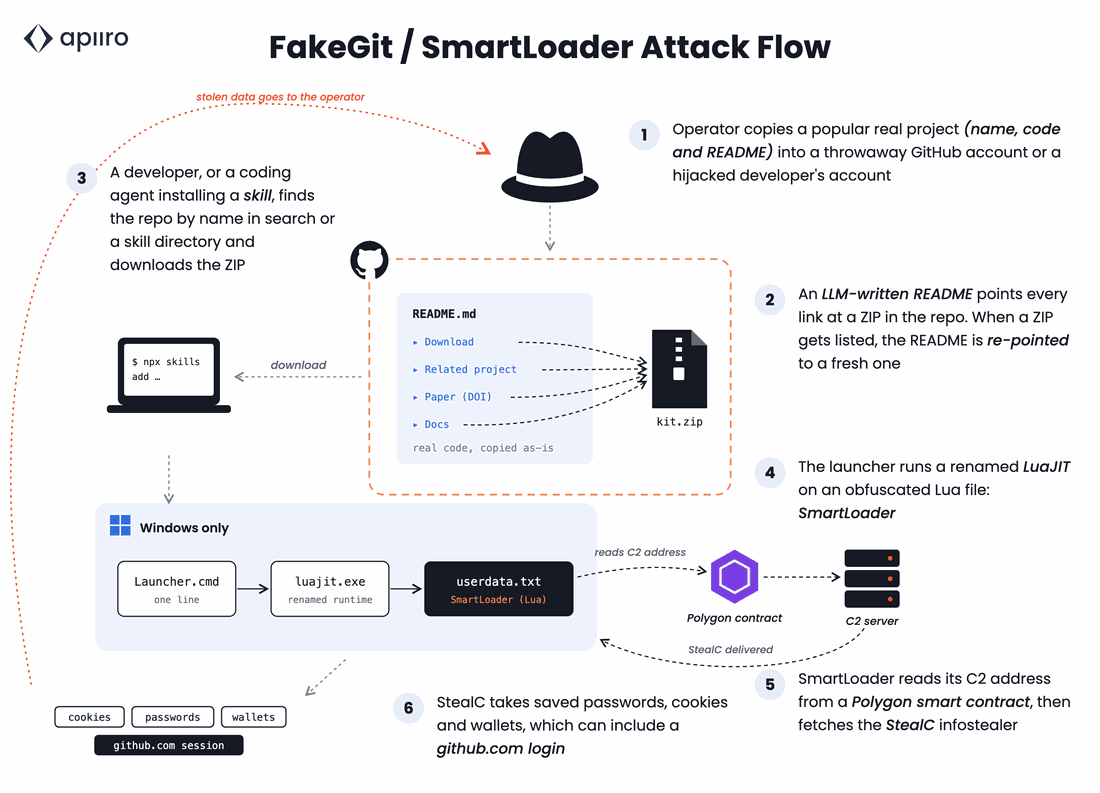
FakeGit/SmartLoader attack flow showing how malicious GitHub repositories distribute malware and steal credentials. Source: Apiiro Research
Apiiro found 17,610 repositories tied to FakeGit, a malware campaign that uses legit-looking GitHub projects to get developers to download malicious ZIP files. More than 13,000 of those repos were updated within 34 hours to point downloads at SmartLoader, which can drop the StealC infostealer. The kicker: the attackers mostly reused existing repos instead of making new ones, which is exactly why they look trustworthy.
🤝 Funding & M&A
CrowdStrike reportedly in talks to buy Orion Security for $500M
CrowdStrike is reportedly in advanced talks to buy Israeli startup Orion Security for about $500 million, per Calcalist. Nothing’s been announced yet.
Orion does AI-powered DLP that looks at context, like who the user is, how sensitive the data is, and what they’re trying to do, instead of leaning only on predefined rules.
It would stack on top of CrowdStrike’s earlier Flow Security buy and keep building out its data security lineup.
XM Cyber cuts ~250 jobs after CrowdStrike tech deal
XM Cyber is reportedly laying off about 250 employees in Israel after CrowdStrike picked up its technology, per Calcalist, which puts the deal at roughly $600 million. Neither company has confirmed that number.
XM Cyber does continuous exposure management, mapping attack paths across enterprise environments. CrowdStrike is buying the tech, not the whole company, and the layoffs come with that transition.
IonQ to acquire Elisity for up to $1.3B
Quantum computing company IonQ is acquiring Elisity, a zero-trust company focused on identity-based network microsegmentation, in an all-stock deal worth up to $1.3 billion (including up to $150 million in contingent consideration).
A quantum company buying a microsegmentation vendor wasn’t on my bingo card, but it adds network access controls to IonQ’s security portfolio. Still subject to closing conditions.
Reach Security raises $50M+ to fix the security tools you already own
Reach Security raised more than $50 million in Series B funding for its AI-powered security remediation platform.
Reach isn’t another detection tool. It finds and fixes gaps in the stack you already own: misconfigurations, disabled controls, half-finished deployments.
The new money goes toward autonomous remediation. How autonomous it really gets will come down to the integrations and permissions customers are willing to hand over.
📦 Security Products & AI
Anthropic launches a free vuln scanner for open-source maintainers
Anthropic launched OSS Scanner, a free, opt-in service that uses Claude to find vulnerabilities in open-source projects and send maintainers reports. No human researcher reviews the findings before they go out, so maintainers still have to validate them. Free triage, not free answers.
Tenable wants to vet your MCP servers
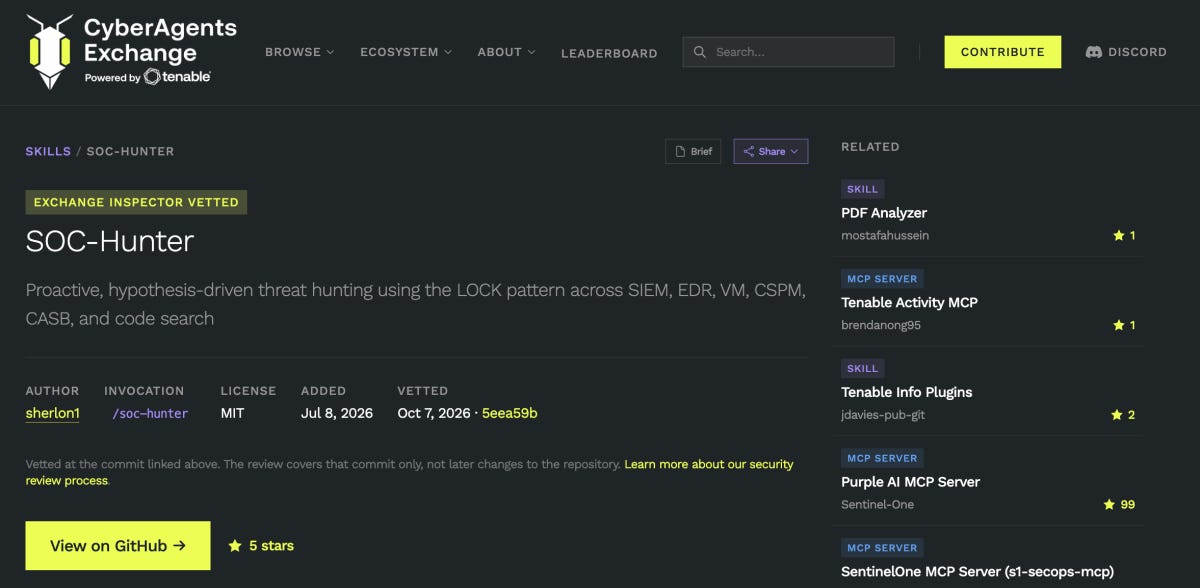
Tenable's AI Inspector evaluates AI agents, skills, and MCP servers for security risks. Source: Tenable
Tenable added AI Inspector to its CyberAgents Exchange. It vets AI agents, skills, and MCP servers for security risks before they’re deployed, using a mix of automated analysis, AI-assisted inspection, and human review. Someone had to start checking what’s getting plugged into these agents.
Firefox goes enterprise
Mozilla launched Firefox Enterprise, adding centralized management for organizations, including a self-hosted console for browser policies and deployment.
It’s aimed at teams that want to manage Firefox across their fleet without going all-in on cloud-based admin.
Sophos takes on shadow AI
Sophos launched AI Defense, now generally available, to help organizations find and govern employee use of AI tools. It shows which AI apps are in use, monitors interactions, and applies policies to limit sensitive data exposure.
Shadow AI is the new shadow IT, and Sophos wants in. It says AI Defense can enforce controls in real time. The real test is coverage.
Rubrik’s Claude-powered Code Guardian hits private preview
Rubrik announced Code Guardian, a Claude-powered code auditing tool under Project Hourglass, now in private preview.
It scans source code for vulnerabilities inside isolated environments, so the code never gets exposed to outside systems. Rubrik is pitching it as part of securing AI-assisted development.
Not GA yet, and there are no independent numbers on how well it actually catches bugs.
Interested in sponsoring TCP?
Sponsoring TCP not only helps me continue to bring you the latest in security innovation, but it also connects you to a dedicated audience of 20,000+ CISOs, practitioners, founders, and investors across 135+ countries 🌎
Disclaimer
The insights, opinions, and analyses shared in The Cybersecurity Pulse are our own and do not represent the views or positions of our employers or any affiliated organizations. This newsletter is for informational purposes only and should not be construed as financial, legal, security, or investment advice.